No-Code Automation for the Fashion Industry: A New Trend?
In a world where technology is rapidly evolving, the fashion industry is embracing no-code automation as a means to streamline operations and foster innovation. But what exactly is no-code automation, and is it truly transforming the fashion landscape? Let’s dive into this emerging trend and explore its impact on the industry.
Table of Contents
1. What is No-Code Automation?
2. How No-Code Automation Benefits the Fashion Industry
3. Real-World Applications in Fashion
4. Challenges and Limitations
5. The Future of No-Code in Fashion
6. FAQs
What is No-Code Automation?
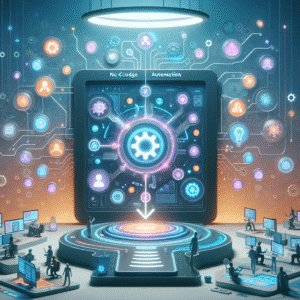
At its core, no-code automation allows users to create and deploy software applications without the need to write traditional code. Through intuitive drag-and-drop interfaces and pre-built templates, individuals and businesses can automate tasks and processes with ease. This technology is becoming a game-changer in various industries, and fashion is no exception.
How No-Code Automation Benefits the Fashion Industry
From design to distribution, no-code automation is offering numerous advantages to fashion businesses. Here are some key benefits:
1. Speeds Up the Design Process
Designers can utilize no-code platforms to create digital prototypes swiftly, allowing for rapid iterations and faster time-to-market. This agility is crucial in a fast-paced industry where trends change overnight.
2. Enhances Supply Chain Management
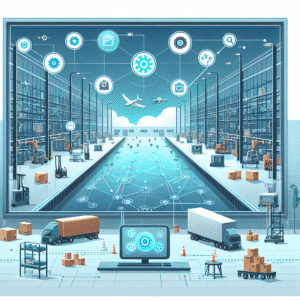
Automating supply chain processes reduces errors and increases efficiency. With real-time tracking and data analytics, fashion companies can optimize inventory levels and minimize waste.
3. Improves Customer Engagement
No-code tools enable the creation of personalized shopping experiences and automated marketing campaigns, enhancing customer satisfaction and loyalty.
Real-World Applications in Fashion
The implementation of no-code automation in fashion is not just theoretical. Here are some practical examples:
1. Customizable E-Commerce Platforms
Brands are using no-code solutions to build and customize their e-commerce websites, offering unique shopping experiences without the need for extensive IT support.
2. Automated Inventory Systems
Fashion retailers are deploying no-code applications to streamline inventory management, ensuring products are available when and where they are needed.
3. Virtual Fashion Shows
No-code platforms have been instrumental in creating virtual fashion shows, allowing designers to showcase their collections to a global audience without physical constraints.
Challenges and Limitations
While no-code automation offers numerous benefits, it’s not without its challenges. Here are some considerations:
1. Limited Customization
No-code platforms may not offer the same level of customization as traditional coding, which can be a limitation for highly specialized tasks.
2. Data Security Concerns
As with any digital solution, data security is a significant concern. Fashion companies must ensure that their no-code applications adhere to stringent security protocols to protect sensitive information.
The Future of No-Code in Fashion
The trend towards no-code automation in fashion is expected to grow, driven by the need for agility and innovation. As platforms become more sophisticated, we can anticipate even more creative applications and widespread adoption across the industry.
Ultimately, the integration of no-code solutions represents a significant shift in how the fashion industry operates, enabling businesses to remain competitive in an ever-changing market.
FAQs
Q: What are some popular no-code platforms used in fashion?
A: Some popular no-code platforms include Bubble, Webflow, and Airtable, which are used for building websites, managing databases, and automating workflows.
Q: Can small fashion brands benefit from no-code automation?
A: Absolutely! No-code automation is particularly beneficial for small brands as it reduces the need for large IT teams and allows them to innovate rapidly.
Q: Is there a steep learning curve for no-code tools?
A: No-code tools are designed to be user-friendly and intuitive, making them accessible even for those without technical backgrounds.
In conclusion, no-code automation is not just a passing trend but a transformative force reshaping the fashion industry. By adopting these tools, fashion businesses can enhance their operations, foster creativity, and remain at the forefront of innovation. 🚀
Click Here For More Details