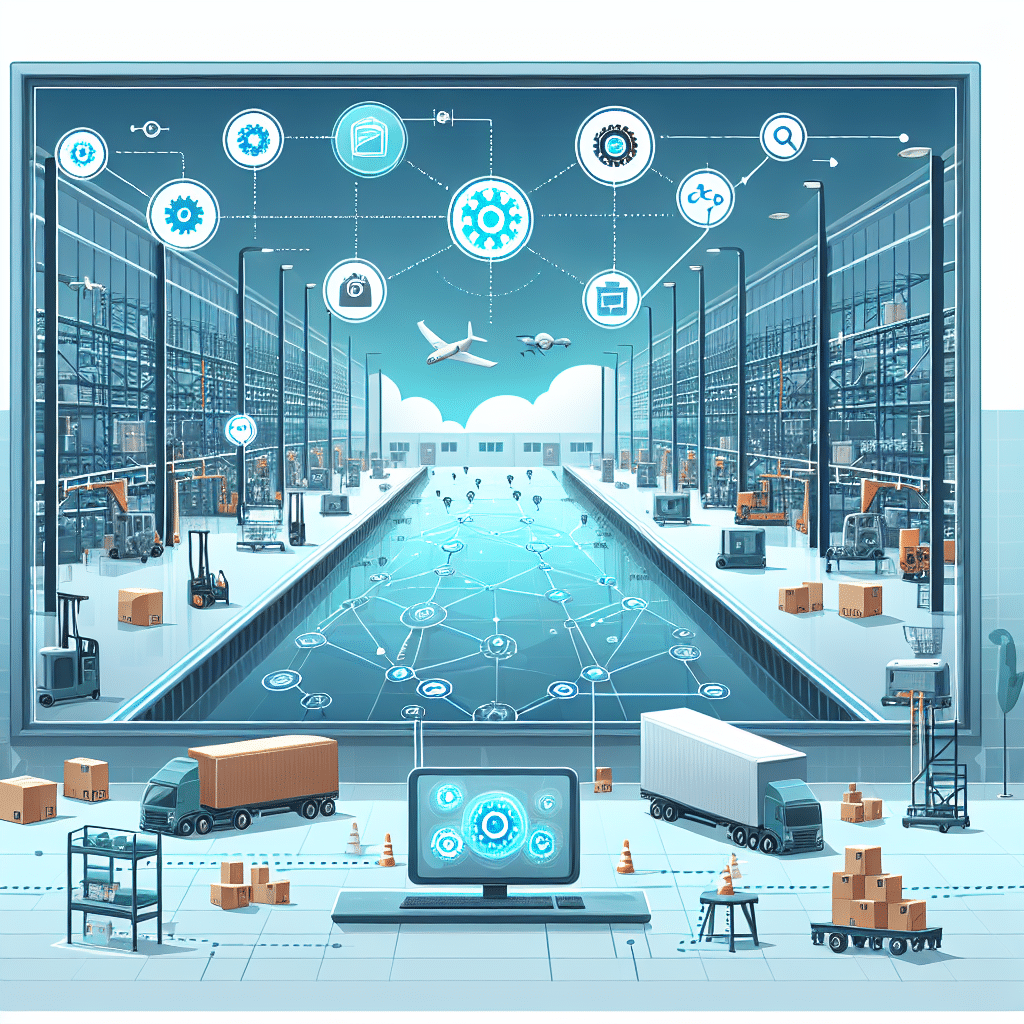
How to Use No-Code Automation to Streamline Logistics Operations
In today’s fast-paced world, logistics operations are more critical than ever. Whether you’re managing a small delivery service or overseeing a vast supply chain, efficiency is key. But what if you could streamline your logistics without writing a single line of code? Enter no-code automation—a game-changer for the logistics industry. 🌟
Table of Contents
1. Introduction to No-Code Automation
2. Why Choose No-Code Solutions for Logistics?
3. Key Benefits of No-Code Automation
4. Implementing No-Code Automation in Your Logistics Operations
5. Tools and Platforms to Consider
6. Real-Life Success Stories
7. Challenges and Considerations
8. Conclusion
Introduction to No-Code Automation
No-code automation refers to the use of software platforms that allow users to create applications and automate processes without traditional coding. These platforms are particularly useful for businesses that lack the technical expertise to develop custom software solutions. Instead of spending time and resources on programming, logistics managers can focus on optimizing their operations. 🚚
Why Choose No-Code Solutions for Logistics?
The logistics industry is all about moving goods efficiently from point A to point B. Any delay or error can lead to significant financial losses and customer dissatisfaction. No-code solutions enable logistics companies to automate repetitive tasks, reduce human errors, and enhance operational efficiency without needing a team of developers.
Key Benefits of No-Code Automation
1. Cost-Effectiveness
No-code platforms are often more affordable than hiring a team of developers. They reduce the need for extensive IT infrastructure and ongoing maintenance costs.
2. Speed and Flexibility
With no-code tools, you can quickly adapt to changes in the market or your business needs. Whether it’s adding a new feature or modifying an existing process, changes can be made swiftly.
3. Empowerment of Non-Technical Staff
No-code platforms empower non-technical team members to create and manage their own solutions. This democratization of technology means that your logistics team can take immediate action to improve processes without waiting for IT support.
4. Improved Accuracy
Automation reduces the risk of human error, ensuring that tasks are completed accurately and consistently.
Implementing No-Code Automation in Your Logistics Operations
Implementing no-code automation in logistics involves assessing your current processes and identifying areas where automation can make a difference. Start small, perhaps with a single task or process, and gradually expand as you become more comfortable with the technology.
Step 1: Identify Repetitive Tasks
Look for tasks that are time-consuming and repetitive, such as data entry, scheduling, or tracking shipments. These are prime candidates for automation.
Step 2: Choose the Right No-Code Platform
Research and select a no-code platform that suits your logistics needs. Consider factors like ease of use, integration capabilities, and customer support.
Step 3: Train Your Team
Provide training to your team on how to use the no-code tools effectively. Encourage experimentation and learning to fully leverage the benefits of automation.
Step 4: Monitor and Optimize
Once you have implemented automation, continuously monitor its performance. Gather feedback from your team and make necessary adjustments to optimize your operations.
Tools and Platforms to Consider
There are several no-code platforms available that cater to different aspects of logistics operations. Some popular options include:
1. Zapier
An easy-to-use tool that connects different apps and automates workflows without coding.
2. Airtable
A versatile platform that functions as a database and can be customized for various logistical needs.
3. Integromat
A powerful automation tool that enables complex integrations and workflows.
Real-Life Success Stories
Many logistics companies have successfully implemented no-code automation to improve their operations. For instance, a mid-sized delivery company used no-code tools to automate route planning, reducing fuel costs by 15% and cutting delivery times by 20%.
Challenges and Considerations
While no-code automation offers numerous benefits, it is not without challenges. Consider data security, integration with existing systems, and potential limitations of the chosen platform. It’s essential to conduct thorough research and planning to address these challenges effectively.
Conclusion
No-code automation is transforming the logistics industry, making it more efficient, cost-effective, and adaptable. By embracing these technologies, logistics companies can stay competitive and meet the ever-growing demands of their clients. 🚀
FAQs
What is no-code automation?
No-code automation allows users to create and automate processes using platforms that don’t require traditional coding skills.
How can no-code automation benefit logistics operations?
It streamlines operations by automating repetitive tasks, reducing errors, and improving efficiency, leading to cost savings and enhanced service.
Are no-code solutions suitable for all logistics companies?
While no-code solutions are highly adaptable, they may not suit every company’s specific needs. It’s crucial to evaluate your operations and choose the right platform accordingly.
Embrace the future of logistics with no-code automation and watch your operations transform into a well-oiled machine. Happy automating! 😊
Click Here For More Details