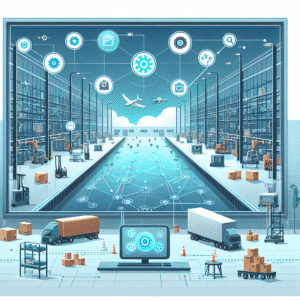
The Rise of No-Code Automation in Developing Economies
In the fast-paced digital era, technology continues to evolve at an unprecedented rate, and with it comes a plethora of tools designed to simplify complex processes. One such breakthrough is the advent of no-code automation, a transformative trend that is especially gaining traction in developing economies. This article delves into how no-code automation is revolutionizing businesses and empowering individuals in these regions.
Table of Contents
1. Introduction to No-Code Automation
2. The Impact on Developing Economies
3. Key Benefits of No-Code Platforms
4. Challenges and Considerations
5. Future Prospects
6. Conclusion
7. FAQs
Introduction to No-Code Automation
No-code automation refers to platforms and tools that allow users to create applications or automate processes without writing a single line of code. Imagine being able to build a website, integrate a payment system, or automate marketing efforts with just a few clicks – that’s the magic of no-code!
For years, coding has been a barrier to entry for many aspiring entrepreneurs and small businesses, particularly in developing regions where access to technical education and resources can be limited. However, the rise of no-code platforms is democratizing the digital landscape, making technology accessible to all.
The Impact on Developing Economies
The impact of no-code automation on developing economies is profound. In regions where small and medium-sized enterprises (SMEs) are the backbone of the economy, these tools are proving to be game-changers.
First, let’s consider the entrepreneurial spirit. No-code platforms empower individuals to turn their ideas into reality without the need for extensive technical knowledge or financial investment. From e-commerce stores to digital marketing campaigns, the possibilities are endless.
Moreover, no-code automation reduces operational costs and enhances efficiency. SMEs can now automate repetitive tasks, such as inventory management or customer follow-ups, freeing up time and resources to focus on growth and innovation.
Key Benefits of No-Code Platforms
Why are these platforms gaining popularity? Here are some key benefits:
1. Accessibility
No-code tools are designed with the user in mind. They feature intuitive interfaces, drag-and-drop functionalities, and pre-built templates, making them accessible to anyone, regardless of their technical background.
2. Cost-Effectiveness
Traditional software development can be costly, requiring skilled developers and significant financial resources. No-code platforms eliminate these expenses, enabling businesses to allocate funds to other critical areas.
3. Speed
Time is of the essence in today’s competitive market. No-code platforms drastically reduce the time needed to develop and deploy applications, allowing businesses to respond swiftly to market demands.
4. Flexibility
Businesses can quickly adapt to changing needs with no-code tools. Whether it’s updating a website, launching a new feature, or scaling operations, these platforms offer the flexibility required for dynamic market environments.
Challenges and Considerations
Despite the many advantages, there are challenges to consider. Security is a primary concern, as ease of use should not compromise data protection. It’s crucial for users to choose reputable platforms with robust security measures in place.
Additionally, while no-code tools are empowering, they may not be suitable for complex applications requiring extensive customization. Businesses must assess their specific needs and limitations before fully committing to no-code solutions.
Future Prospects
The future of no-code automation in developing economies looks promising. As internet connectivity improves and digital literacy increases, more individuals and businesses will embrace these platforms.
Moreover, the rise of artificial intelligence and machine learning is expected to further enhance no-code capabilities, enabling even more sophisticated applications and automations. The potential for innovation is limitless! 🚀
Conclusion
No-code automation is not just a trend; it’s a revolution. By breaking down barriers and empowering individuals with the tools to innovate, it is playing a pivotal role in shaping the future of developing economies. As these platforms continue to evolve, they hold the promise of fostering inclusive growth and opportunities for all.
FAQs
What is no-code automation?
No-code automation refers to platforms that allow users to create applications and automate processes without coding.
How can no-code platforms benefit small businesses?
No-code platforms offer cost-effective, accessible, and flexible solutions that help small businesses automate tasks and innovate quickly.
Are there security concerns with no-code platforms?
Yes, security is a concern. It’s important to choose platforms with robust security measures to protect data integrity.
Will no-code replace traditional coding?
No, it won’t replace traditional coding but will complement it by providing solutions for simpler applications and allowing developers to focus on more complex tasks.
Embrace the wave of no-code automation, and unlock new possibilities for growth and innovation in your business today!
Click Here For More Details