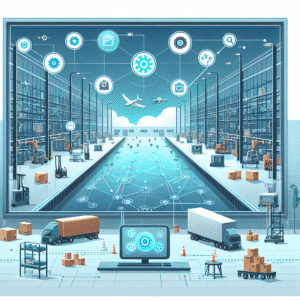
The Benefits of No-Code Automation for Improving Product Quality
In today’s fast-paced digital world, maintaining high product quality is crucial for any business aiming for success. But how can companies ensure top-notch quality without drowning in complex processes? Enter no-code automation—a game-changer for boosting product quality while saving time and resources. In this blog post, we’ll explore the benefits of no-code automation and how it can revolutionize your quality assurance processes. 🚀
Introduction to No-Code Automation
No-code automation platforms are designed to empower users to create and automate workflows without needing to write a single line of code. This technology is particularly beneficial for teams that lack programming expertise or for businesses aiming to reduce their dependence on IT departments. By using intuitive drag-and-drop interfaces, users can streamline operations, reduce errors, and enhance product quality. But what exactly makes no-code automation a must-have tool for quality assurance?
Streamlining Processes with Ease
One of the most significant advantages of no-code automation is the ability to streamline processes effortlessly. Manual processes can be prone to human error, leading to inconsistencies and defects in product quality. With no-code tools, businesses can automate repetitive tasks, ensuring consistency and accuracy.
For instance, consider a scenario where a product must go through several stages of quality checks. With no-code automation, you can set up a workflow that automatically routes products to the appropriate teams for inspection, ensuring that no step is skipped. This not only improves efficiency but also reduces the likelihood of errors slipping through the cracks.
Empowering Team Collaboration
No-code platforms democratize the automation process, allowing team members from different departments to contribute to workflow creation and optimization. This collaboration is essential for improving product quality, as it combines insights from various perspectives.
Imagine a product development team collaborating with quality assurance and customer support to create a seamless workflow. By using a no-code platform, they can easily integrate feedback loops and quality checks, ensuring that every aspect of the product meets the highest standards before reaching the customer.
Enhancing Flexibility and Scalability
As businesses grow, their processes need to scale accordingly. No-code automation offers the flexibility to adapt to changing needs without extensive reprogramming. This adaptability is crucial for maintaining product quality in a dynamic market environment.
For example, if a sudden increase in demand requires rapid scaling of production, no-code automation can quickly adjust workflows to accommodate the change. This ensures that quality standards are consistently met, even as production volumes rise.
Reducing Time to Market
In competitive industries, reducing time to market is vital for gaining a competitive edge. No-code automation streamlines processes and accelerates the development cycle, allowing businesses to launch products faster without compromising on quality.
By automating testing, reporting, and feedback loops, teams can identify and address issues more quickly. This leads to faster iterations and improvements, ultimately reducing the time it takes to deliver a high-quality product to market.
Conclusion: Embrace the No-Code Revolution
No-code automation is more than just a trend; it’s a transformative approach to improving product quality. By streamlining processes, enhancing collaboration, and offering flexibility, no-code platforms empower businesses to maintain high standards while adapting to the ever-evolving market landscape. Whether you’re a small startup or a large enterprise, embracing no-code automation can significantly impact your product quality and overall success. 🌟
FAQs
Q1: What exactly is no-code automation?
A1: No-code automation refers to platforms and tools that allow users to create automated workflows and processes without requiring programming skills. These tools typically feature intuitive drag-and-drop interfaces.
Q2: How does no-code automation improve product quality?
A2: By automating repetitive tasks and ensuring consistency in processes, no-code automation reduces the likelihood of errors, enhances collaboration, and ensures thorough quality checks.
Q3: Can no-code automation be integrated with existing systems?
A3: Yes, most no-code platforms offer integration capabilities with various existing systems, allowing for seamless adaptation and enhanced functionality.
Q4: Is no-code automation suitable for all types of businesses?
A4: While no-code automation can benefit many industries, its suitability depends on specific business needs and processes. It’s particularly advantageous for businesses looking to streamline operations and improve quality without extensive coding resources.
Embrace the future of product quality with no-code automation and watch your business thrive in efficiency and excellence! 🌐
Click Here For More Details